How to Maneuver Youth Mental Health During 4th of July Fireworks and Sensory Issues

The 4th of July is a time of celebration, filled with parades, barbecues, and fireworks. For many families, it’s a joyful occasion. Yet for some youth, especially those with sensory sensitivities or mental health challenges, the loud noises and bright lights of fireworks can trigger anxiety, distress, or behavioral reactions. Understanding how to support young people during this holiday can make a significant difference in their experience and well-being.

Indivuals watching a fireworks display
Understanding Sensory Issues in Youth
Sensory issues involve difficulties processing sensory information such as sounds, lights, textures, or smells. Many children and teens with autism spectrum disorder, ADHD, or anxiety disorders experience heightened sensitivity to sensory input. Fireworks, with their sudden loud booms and bright flashes, can overwhelm their nervous system.
Common reactions to sensory overload include:
Covering ears or eyes
Crying or tantrums
Withdrawal or avoidance of social situations
Increased irritability or agitation
Recognizing these signs early helps caregivers intervene before distress escalates.
How Fireworks Affect Youth Mental Health
Fireworks can trigger a range of emotional and behavioral responses beyond sensory discomfort. The unpredictability of the noise and the intensity of the experience may cause:
Heightened anxiety or panic attacks
Sleep disturbances before and after the event
Difficulty concentrating or increased hyperactivity
Behavioral outbursts or aggression in some cases
Youth with pre-existing mental health conditions may find these effects more intense. Preparing ahead and providing coping tools can reduce the impact.
Practical Strategies to Support Youth During Fireworks
Families can take several steps to ease the challenges fireworks bring for youth with sensory and mental health needs:
Prepare in Advance:
Discuss the event: Explain what fireworks are and what to expect using simple, clear language.
Use social stories: Visual guides that describe the sequence of events can reduce anxiety.
Practice calming techniques: Deep breathing, counting, or using a favorite comfort object.
Create a Safe Space:
Designate a quiet, dimly lit room away from the noise.
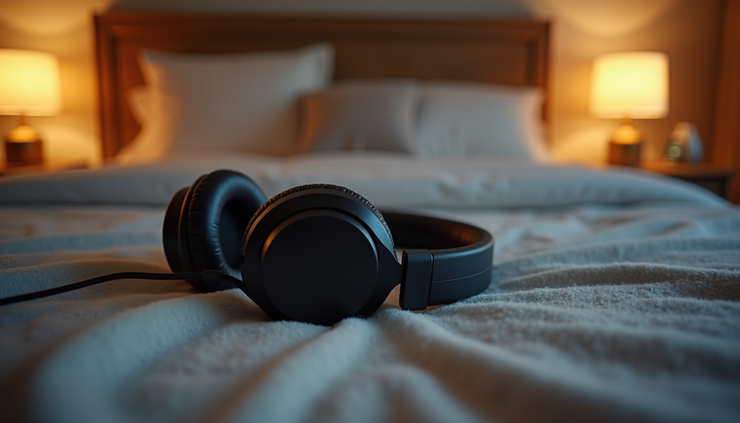
Use noise-canceling headphones or earplugs to reduce sound.
Provide familiar items like blankets or stuffed animals for comfort.
Modify Participation:
Attend smaller, less crowded firework displays.
Watch fireworks from inside the house or a car.
Skip the event if the youth’s distress is too high.
Communicate with Others:
Inform friends, neighbors, or event organizers about your child’s needs.
Advocate for sensory-friendly fireworks events when possible.
Supporting Youth Beyond the 4th of July
The challenges fireworks present highlight broader needs for supporting youth mental health and sensory sensitivities year-round. Families and caregivers can:
Build routines that include sensory breaks.
Encourage open conversations about feelings and coping.
Seek professional guidance when needed from therapists or counselors.
Connect with support groups for shared experiences and resources.
By understanding and addressing sensory issues and mental health, caregivers can help youth feel safe, supported, and included during celebrations and everyday life.


Comments