Single Parent Guide to Managing Your Child's Behavioral and Mental Health Challenges

When a child is struggling with big emotions, defiance, anxiety, aggression, withdrawal, or constant meltdowns, the whole home can start to feel like it is running on fumes. As a single parent, that weight can feel even heavier because there may be no other adult in the house to tap in when patience runs low.
You do not need to have every answer. You do need a steady plan, a few trusted supports, and ways to protect your own energy while helping your child feel safer and more understood.
This guide is for everyday parenting moments, not a substitute for medical or mental health care. If your child may harm themselves or someone else, seek immediate help by calling 911, going to the nearest emergency room, or contacting the 988 Suicide & Crisis Lifeline in the U.S.

Start by looking for patterns instead of blame
Behavior is often a signal. A child who screams before school may be anxious, overtired, bullied, overstimulated, or struggling with learning demands. A child who refuses bedtime may be afraid of being alone or may lack a predictable wind-down routine.
Try tracking the basics for one or two weeks. Keep it simple:
What happened right before the behavior
What the behavior looked like
What helped your child calm down
Sleep, meals, screen time, school stress, and changes at home
Look for repeat triggers. Maybe meltdowns happen after video games, during transitions, after visits with another parent, or when homework starts. Patterns do not excuse harmful behavior, but they help you respond with more skill.
A helpful question is, “What is my child trying to communicate that they cannot say clearly yet?”
That one question can shift the moment from punishment mode to problem-solving mode.
Build routines that lower daily stress
Children with behavioral and mental health challenges often do better when life feels predictable. A routine does not need to be strict or perfect. It just needs to reduce the number of surprises your child has to manage.
Focus on the highest-stress parts of the day:
Mornings
Prepare as much as possible the night before. Lay out clothes, pack the backpack, and choose breakfast options early. Use a short visual checklist if your child struggles with verbal reminders.
Keep instructions brief:
Get dressed
Eat breakfast
Brush teeth
Shoes on
Too many words can overwhelm a child who is already anxious or distracted.
After school
Many children hold themselves together all day and fall apart at home. Build in decompression time before questions, chores, or homework. A snack, water, movement, music, or quiet time can help reset the nervous system.
Bedtime
Sleep affects mood, impulse control, and attention. Keep bedtime calm and predictable. Dim lights, reduce screens, and repeat the same steps in the same order. If your child resists sleep, stay steady and boring. Big reactions can accidentally make bedtime more stimulating.

Respond to hard behavior with calm limits
Calm does not mean permissive. Children need boundaries, especially when their behavior becomes unsafe or disrespectful. The goal is to set limits without pouring fuel on the fire.
When your child escalates, try this sequence:
Lower your voice
A quieter voice can slow the pace of the conflict.
Name the feeling
Say, “You are really angry,” or “This feels too hard right now.”
State the limit
“I will not let you hit,” or “The tablet is done for tonight.”
Offer one next step
“You can sit on the couch or go to your room. I will stay nearby.”
Avoid long lectures during a meltdown. A child in fight, flight, or shutdown mode cannot process much teaching. Save the conversation for later, when their body and brain have settled.
Afterward, repair matters. You might say, “That was hard. I love you. We still need to talk about what happened.” This helps your child learn that conflict does not break the relationship.
Create a support team before you are in crisis
Single parenting can become isolating, especially when a child’s behavior makes outings, school calls, or family gatherings stressful. You deserve support before you hit a breaking point.
A support team may include:
Your child’s pediatrician
A licensed therapist or counselor
A school counselor, teacher, or special education coordinator
Trusted relatives or friends
Faith community leaders, if that fits your life
Parent support groups, in person or online
If school is a major source of stress, ask for a meeting. Share what you are seeing at home and ask what teachers notice during the day. If your child has ongoing struggles that affect learning, attendance, or behavior, ask about evaluation options and classroom supports.
You do not have to diagnose your child on your own. Your job is to describe what you see and ask for help connecting the dots.

Take your own stress seriously
Your child needs support, and so do you. Long-term stress can make it harder to stay patient, think clearly, and recover after difficult moments. Caring for yourself is part of caring for your child.
Start with small, realistic steps:
Drink water before the morning rush
Step into another room for 60 seconds when safe
Text one trusted person instead of holding everything in
Use grocery pickup when possible
Let some nonurgent chores wait
Schedule your own therapy or support group if you can
If guilt shows up, remind yourself that rest is not something you earn after doing everything perfectly. Rest is maintenance.
It also helps to create a short emergency plan for yourself. Write down who you can call, where your child can safely go for a short break, and what you will do if you feel close to yelling or shutting down. Put the plan somewhere easy to find.
Know when to seek professional help
Some challenges improve with routine, connection, and consistent limits. Others need professional treatment. Reach out to a pediatrician or mental health professional if your child’s behavior is intense, frequent, or getting worse.
Seek help if you notice:
Talk of self-harm or wishing they were not alive
Aggression that puts people, pets, or property at risk
Panic, sadness, or irritability that disrupts daily life
Major sleep or appetite changes
School refusal or sudden academic decline
Extreme withdrawal from friends or family
Risky behavior, substance use, or running away
If your child refuses help, start with your own appointment. A therapist, pediatrician, or parenting coach can still help you choose safer responses and plan next steps.
The Single Parent Guide to Managing Your Childs Behavioral and Mental Health Challenges is not about becoming a perfect parent. It is about building a home where hard feelings can be handled with more safety, structure, and support.
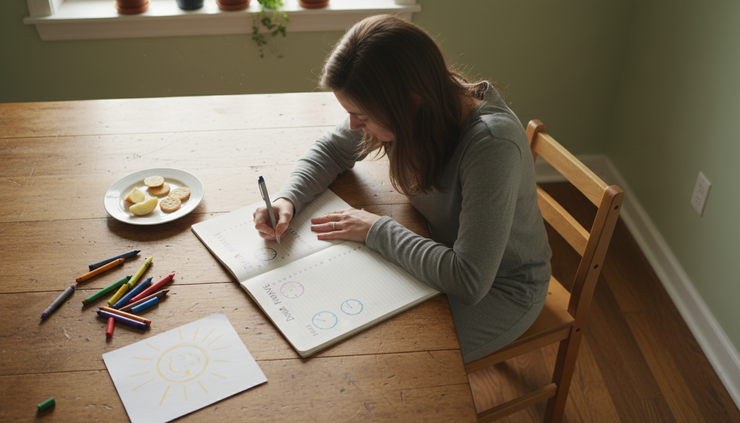
A steady home grows one choice at a time
There will be days when the plan works and days when everything falls apart before breakfast. That does not mean you failed. It means you are parenting through something hard.
Start small. Pick one routine, one support person, or one calmer response to practice this week. Notice what helps. Adjust what does not. Your consistency, warmth, and willingness to get help can become the steady ground your child needs while they learn to manage their own mind, body, and behavior.


Comments